 Alhambra Private Tours
What to Wear to the Alhambra: A Season-by-Season Kit List
What to wear to the Alhambra is decided by terrain and altitude, not by any published dress code. The Alhambra publishes no dress code - it is a monument, not a church - and that absence misleads travellers into dressing for a museum. What the Alhambra actually is: three kilometres of cobbles, gravel ramps and stone stairs at 700-800 metres, with almost no shade on its fortress quarter and a two-hour furnace in every summer courtyard. This page converts the terrain, the seasons and the bag rules into a kit list per season, so the visit's only discomfort is the queue. For the meeting-point logistics all this kit travels to, the getting-there guide covers the hill. The full listing table sits in the main comparison. The full listing table sits in the main comparison.
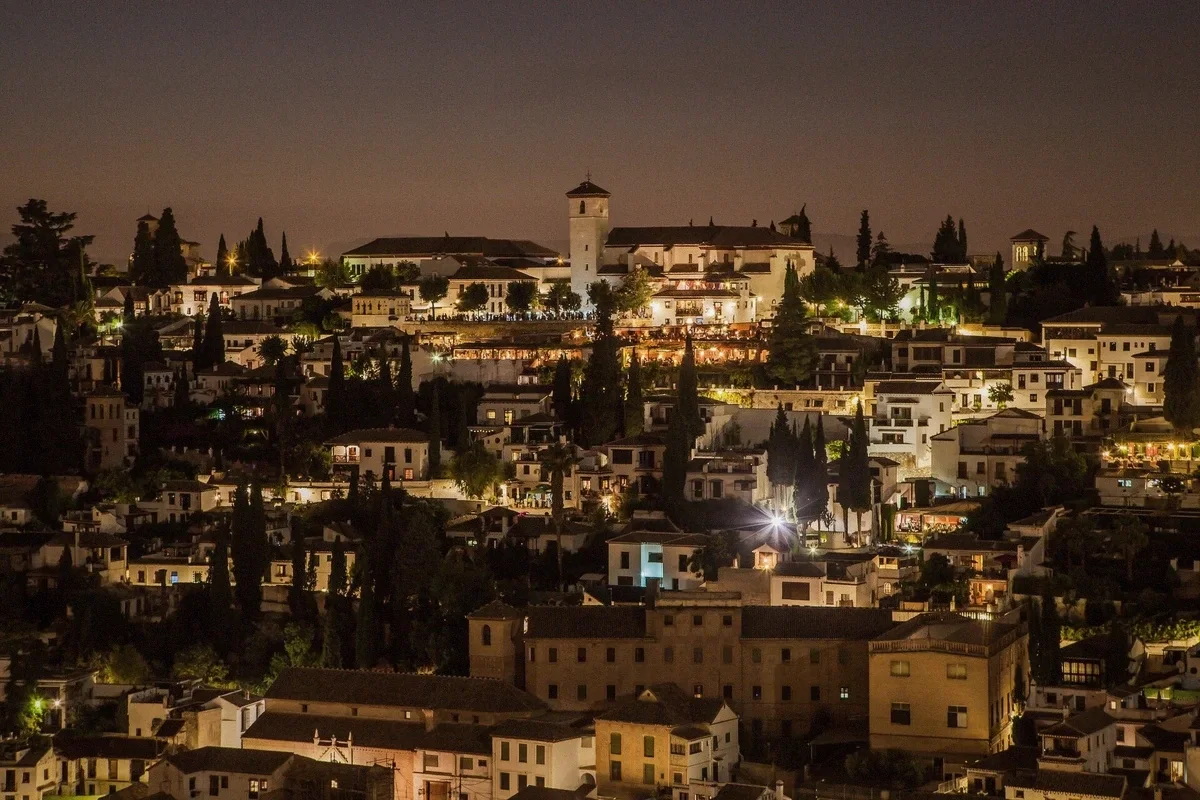
The visitor’s end of the deal: dressed for the hill, rewarded with the classic view - Sierra snow behind the walls.
Quick answer Shoes first, layers second, bags smallest - the three rules that cover every season
There is no dress code - what governs the Alhambra is terrain and weather. Three rules cover every season: shoes with real soles (cobbles, gravel ramps and worn stone stairs are the entire visit); layers for 700-800 metres (Granada swings 15-20 degrees between coast-afternoon and hill-evening, and winter dawns sit near freezing); and the smallest bag you can manage - large bags and luggage are barred outright, and every extra kilogram climbs the hill with you. Summer adds sun kit (hat, water - the Alcazaba has no shade); winter adds a warm layer and rain shell. Inside the palaces the rules are strict: no tripods, no flash, no selfie sticks.
Key takeaways
- Rule one - shoes: trainers or walking shoes with grip; the polished ramps are the visit's only genuine hazard.
- Rule two - layers: mountain evenings; a 34°C day is a 16°C dusk in May.
- Rule three - bags: small daypack only; large bags are refused at the gate and storage is downtown, not at the gate.
The Terrain Dictates the Shoes
Every Alhambra visit is a walk first and a monument second: the complex spreads across a wooded hill, and its surfaces are centuries of worn stone rather than museum floors.
The surfaces you will meet
Polished stone ramps inside the palaces (slippery when wet, gleaming when dry), gravel garden paths in the Generalife, cobbled lanes through the medina, and the Alcazaba's uneven fortress steps. Heels, smooth-soled sandals and brand-new leather soles are the three shoe choices the terrain punishes; trainers and walking shoes are the two it rewards.
The distances behind the shoes
A standard three-hour visit walks roughly three kilometres with two sustained climbs. The full-complex routes stretch further. That is not hiking - but it is standing and sloping for hours, and the travellers who misjudge it are uniformly the ones in the wrong shoes.
Comfortable shoes are the difference between the visit's last hour being the Generalife or the exit.
The Kit List, by Season
Granada's altitude makes its seasons sharper than Andalusia's reputation suggests: the table converts the year into what actually goes in the bag.
| Season | Wear | Carry | Watch for |
|---|---|---|---|
| Summer (Jun-Sep) | Breathables, hat, sunglasses, real-soled sandals or trainers | Water (refill points exist), sunscreen - the Alcazaba has no shade | 34°C afternoons; book early slots and dress for them |
| Spring (Mar-May) | Layers over a light base; trainers | Light shell for squalls; water for the climb | Rain is brief but real; evenings drop fast |
| Autumn (Oct-Nov) | Layers, light jacket for late slots | Water early autumn; shell by November | Golden light, cooling courtyards - the dress-code-free month |
| Winter (Dec-Feb) | Warm layer over layers; closed shoes with grip | Compact umbrella or shell; gloves for dawn slots | Frost on the 08:30 paths; 18:00 closes and cold dusk returns |
The altitude footnote
Granada sits at 700-800 metres with the Sierra Nevada behind it - the same April day that starts at 8°C can pass 24°C by three in the afternoon. The local dress grammar is layers, and the Alhambra respects no exception: morning-slot visitors in April wear the warm layer at the gate and lose it by the Alcazaba.
Bags, Cameras and the Rules That Gate Entries
The Alhambra's entry rules are security and conservation rules, and they are enforced without ceremony.
- Large bags and luggage are barred. Daypacks and handbags pass; suitcases do not - Granada's storage services sit downtown and at the pavilion area, but the queue at the gate is the wrong place to discover the difference.
- Tripods, selfie sticks and drones: no. Flash photography: no, inside the palaces especially - the pigments and plasters the monument is famous for are light-sensitive.
- Food is restricted to the picnic and break areas; water bottles are fine and refill points exist in the medina.
- Passports travel with tickets. The name-matched check at the palace gate is the visit's hardest rule - the slot guide carries its consequences.
- Strollers: restricted in parts of the complex; baby carriers are the local answer for infants, and the cobbles argue for them anyway.
What locals wear
Watch a Granada family at the pavilion: trainers, layers tied at waists, one small backpack, water bottles by the strap. Nothing about the Alhambra asks for outdoors kit; everything about it asks for kit that has walked before. Dress like you are taking the city seriously and the hill will meet you halfway.
Special Cases: Kids, Accessibility, the Night Visit
Children
The kit list for children is the adult list plus one item: snacks, eaten at the medina break areas. Carriers beat strollers for infants (strollers are restricted in parts of the complex), and children's shoes deserve the same sole test as adults'. In summer, children dehydrate before adults notice - the water rule is per person, including the small ones.
Accessibility kit
Travellers using the Patronato's adapted route will find the same surfaces - ramps and cobbles - engineered differently, and the same layer logic applies. Power-chair users should confirm the adapted route's charging-free length against their battery reality; the Patronato visit page is the authoritative source.
The night visit
The night route runs on mountain dark: add a warm layer even in summer (the palaces' stone holds the day's chill once the sun leaves), shoes with real grip for dimlit cobbles, and nothing that needs a tripod - barred, and pointless in the dark anyway.
The Two Extreme Days: August 14:00 and January 08:30
Plan for the year’s two extremes and every real visit sits comfortably between. The August afternoon: 34-38°C, the courtyards reading like ovens, the Alcazaba’s ramparts radiating stored heat - kit is sun hat, ventilated clothing, a litre of water per person per ninety minutes, sunglasses, and the earliest slot available, because the difference between 09:00 and 13:00 is fifteen degrees. The January dawn: near freezing at the 08:30 window, frost on the Generalife hedges, stone railings cold enough to sting - kit is a warm mid layer, a wind-closing shell, gloves, and grip soles for frost-slick gravel.
Every other visit at every other hour is a mix of these two lists, which is why the season table reads as proportions rather than absolutes: the Alhambra’s dress code is the mountain’s, written in weather.
Inside the Palaces: The Rules on Your Body and Your Bag
The palace interiors carry the monument’s strictest rules, and they are personal rather than architectural. Bags: daypacks ride front or hand-carried through the rooms - large packs are refused at the gate before you reach them, and the дворцовая staff enforce the spirit, not just the letter. Clothing: no code is published, and none is needed - the palaces are cool by stone in summer and cold by draft in winter, which the layer math covers.
Behaviour rules with kit implications: no flash (the pigments), no tripods (the flow), no selfie sticks (everyone’s sightlines), no touching the walls - the stucco is the reason the slot system exists. The one item seasoned visitors carry that first-timers never think of: a folded paper map or offline screenshot - the palaces’ corridors run underground between courtyards, coverage dies, and the party that agreed on a regroup point stands in it smiling while everyone else hunts signal.
The Final Shopping List, Checked Twice
Compressing every section above into the list a traveller actually packs the night before: passports, every traveller, reachable pocket. Tickets, downloaded offline - coverage dies on the hill. Water, half a litre per person per two hours, more in summer.
The season layer per the month math: shell in the shoulder months, warm mid-layer November to March, nothing but sun kit in high summer. Sun hat and sunscreen April to September. Real-soled shoes, worn before the visit.
A phone charger cable for the evening. Snacks for children, eaten at the medina break. And the one luxury worth its grams: a folded stool for travellers who queue badly, permitted where tripods are not.
That is the entire load - it fits a daypack, it climbs the hill without complaint, and it covers every rule the monument enforces.
The Rain Day, Dressed For
Andalusian rain is theatrical - short, horizontal, serious - and the Alhambra in rain is a different monument worth dressing for deliberately. The kit: a shell with a hood (umbrellas fight the crowds and blind the person behind you), shoes with genuine tread (the polished palace ramps and the medina cobbles turn to ice-rinks), and a dry bag or pouch for the phone - the one device the visit cannot lose. The route adjusts: the palace interiors and the Charles V covered circle become the visit’s spine, the gardens turn lush and loud with water, and the Alcazaba compresses to its covered passages.
The bonus the rain buys: thin crowds - a wet spring Tuesday is the closest the monument gets to private without booking one - and the photography is singular, the Myrtles pool dimpling and the plasterwork dark with wet. Dress for it and rain becomes a booking advantage rather than a spoiled day.
What the Guides Actually Wear
Watch Granada’s licensed guides across a season and the uniform converges from different directions: broken-in trainers or light hiking shoes, trousers that convert to shorts in summer, a shirt with a real collar for the sun, a light shell rolled into a daypack even on cloudless forecasts, and - from October onward - a beanie for the early meetings. Nothing about it is outdoorsy; everything about it has walked the hill a thousand times. The guides’ one luxury the travellers never carry: they know the shade schedule - which courtyards cool first, where the Alcazaba’s one shaded bench hides, when the Generalife’s tree line becomes useful - so their kit stays minimal where a visitor’s must be complete.
Copy the list, accept the extra layer, and the season table does the rest.
The Shade Map, as a Clothing Decision
The Alhambra’s shade is not evenly distributed, and clothing choices are really bets on which quarter your route emphasises. The Generalife is the shaded monument: trees, hedges and arcades cover most of its hour. The palaces are thermally neutral - thick stone walls keep the rooms cool in summer and cold in winter.
The medina lane is half-shaded. The Alcazaba is the sun’s quarter: ramparts, open plaza, towers with no cover at all - a thirty-to-forty-minute exposure on every route that includes it. The clothing consequence is simple: dress for the Alcazaba and let the rest of the complex take care of itself, and if your route visits the fortress in the afternoon heat - ask at booking which order your slot produces - upgrade the hat from accessory to equipment.
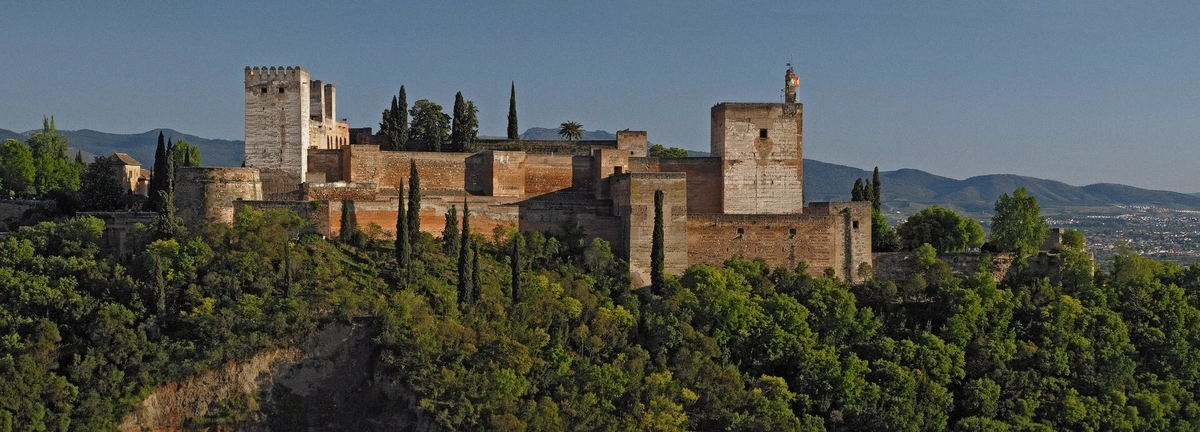
The Alcazaba quarter: the visit’s sun trap, and the reason the summer list leads with hats and water.
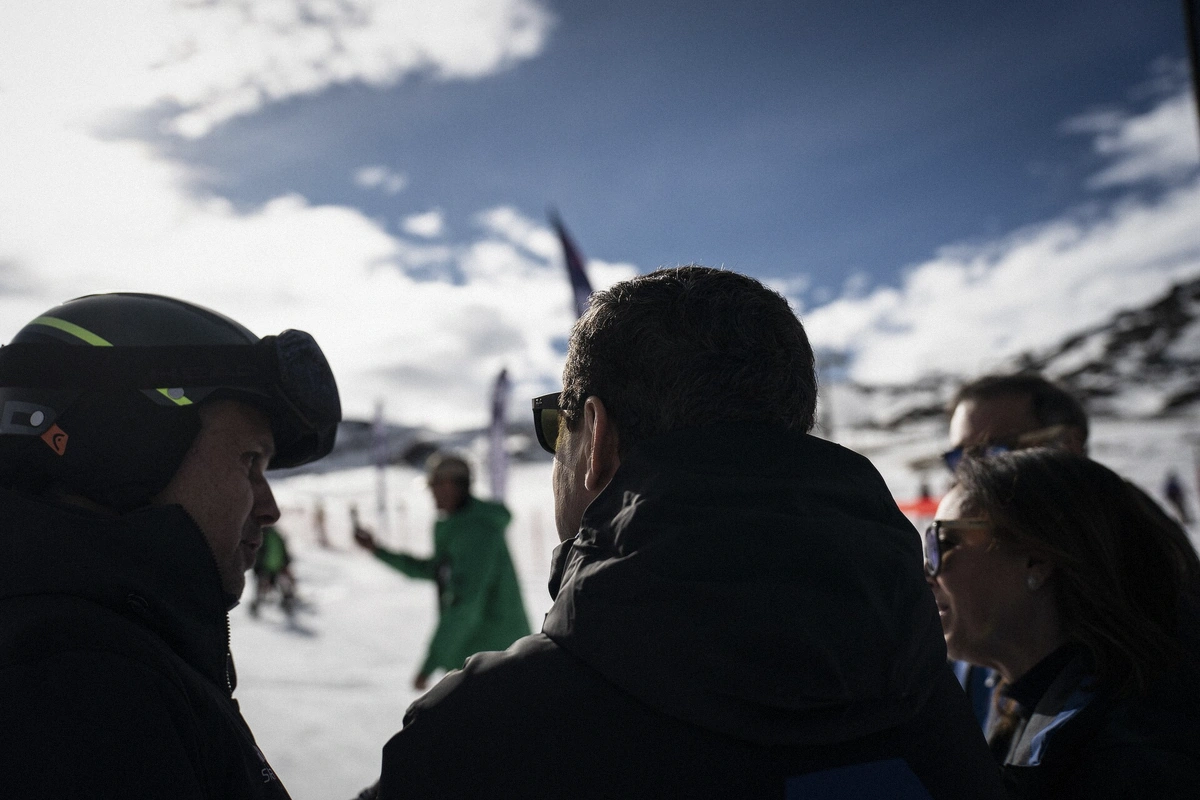
Winter’s argument: the Sierra earns its name - snowy mountain - and the hill’s dawn slots run near freezing.
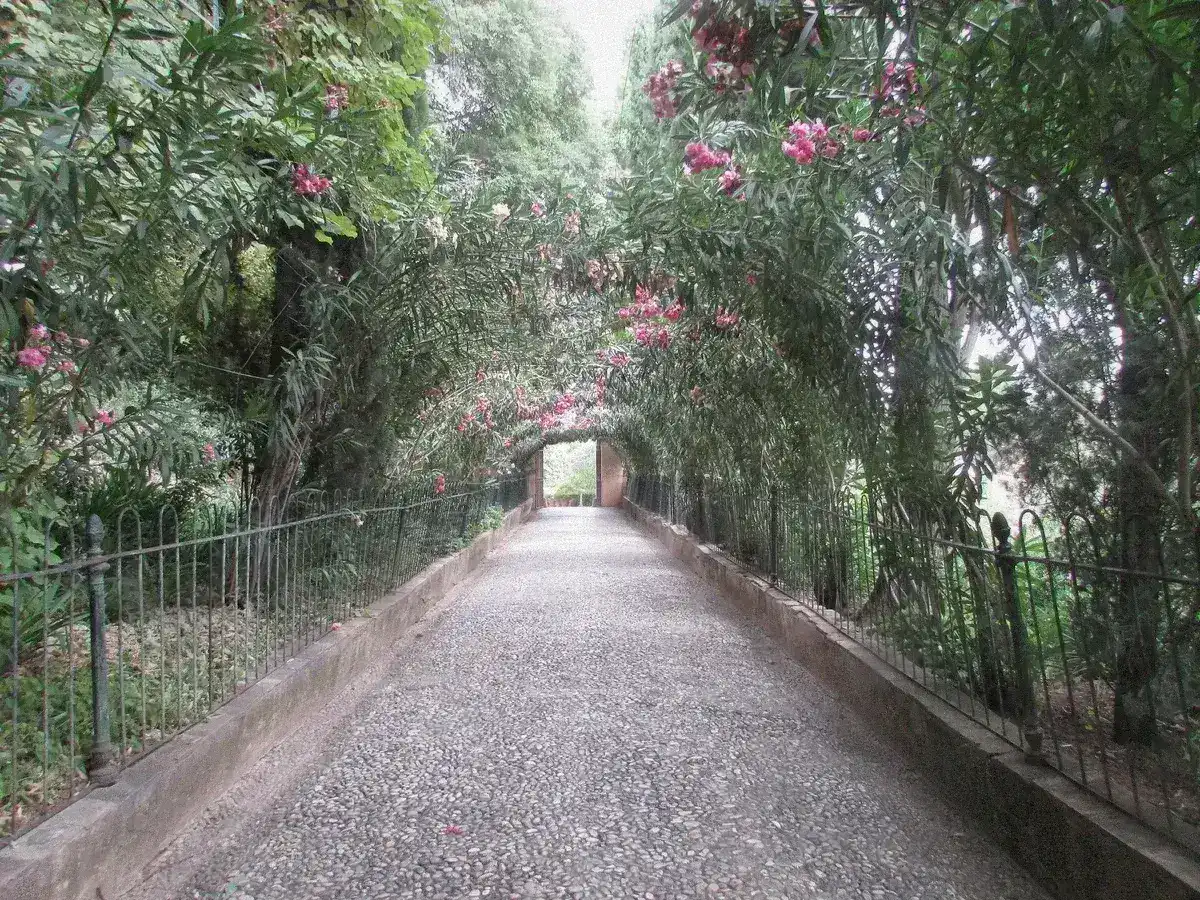
The cypress walk in the Generalife: full shade at midsummer, the visit’s kindest hour and the kit list’s proof.
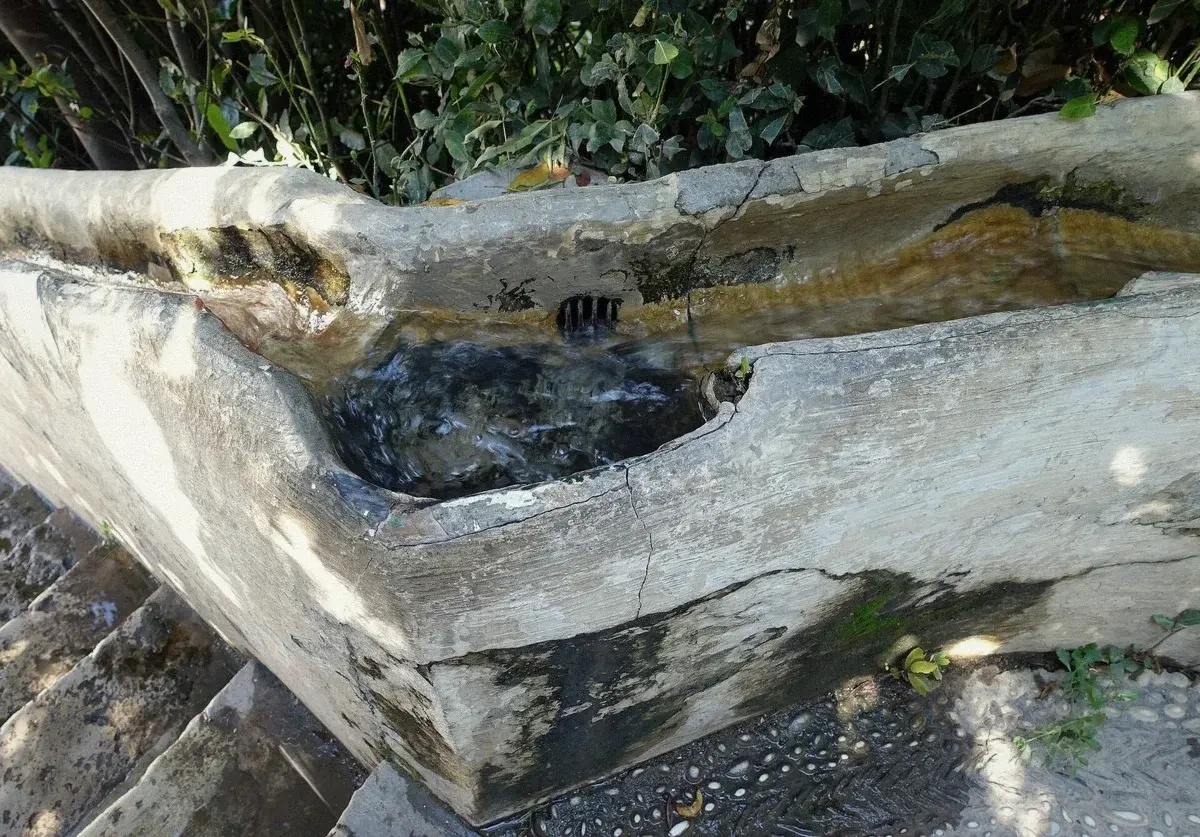
The Generalife’s water stairway: damp stone year-round, and the visit’s best argument for grip soles.
What-to-Wear Questions
Is there a dress code at the Alhambra?
No published dress code - the Alhambra is a monument, not a place of worship with entry conditions. The practical dress code is written by the terrain: real-soled shoes, season-appropriate layers, sun kit in summer, and the smallest bag you can manage.
Can you wear sandals at the Alhambra?
Yes, if they have grip and have walked before - the polished palace ramps punish smooth soles, and the fortress steps punish everything loose. Trainers are the safer answer for any visit that includes the Alcazaba.
What should I bring to the Alhambra in summer?
Water, a hat, sunscreen and sunglasses - the Alcazaba quarter has no shade and the courtyards are open-sky basins. Book the earliest slot available and the summer kit stays a formality rather than a survival kit.
Are backpacks allowed in the Alhambra?
Small daypacks are; large bags and luggage are barred and the gate turns them away. Camera bags pass when they look like camera bags; the tripod they might contain does not.
Do you need warm clothes for the Alhambra?
From October to April, yes - Granada sits at 700-800 metres and the hill adds wind. Winter dawn slots run near freezing, and even May evenings drop fifteen degrees below the afternoon. Layers are the local grammar.
The Shoe Test, Applied
Because “comfortable shoes” is the advice every guidebook gives and nobody defines, here is the actual test. Press a thumb into the sole: if it yields like a mattress, it is a beach sandal and the palace ramps will read every pebble through it. Bend the shoe: if it folds in half, it is a deck shoe and the Alcazaba’s stone steps will fold it off your foot.
Look at the tread: if it is smooth, the polished ramps after rain are a slide. What passes the test costs nothing exotic - trainers, trail runners, walking shoes - and the reward is concrete: three kilometres of worn stone read through your feet, and the difference between the visit’s last hour being the Generalife or the exit gate. Travellers who arrived wrong: the city centre’s shoe shops are a 20-minute detour, and cheaper than the misery.
Layer Math, Month by Month
Granada’s altitude turns “Andalusian warmth” into a two-climate day, and the layer math is seasonal. January-February: a warm layer over a mid layer from dawn to 10:00, shed by noon, restored by 17:00 - a 20-degree swing inside one visit. March-April: base layer plus a fleece tied at the waist, the year’s most variable kit.
May and October: one light layer for the early and late hours, nothing at midday. June and September: the layer is for the approach hour only. July-August: no layer at all - sun kit instead, because the shade is architectural and the Alcazaba holds heat like a kiln.
The constant across every month: the evening after the visit runs 10-15 degrees below the afternoon, which is why locals carry layers in August and visitors buy hoodies at the Mirador.
The Children’s Kit, Done Properly
Children at the Alhambra need the adult list plus three amendments. Carriers, not strollers: the complex restricts strollers in parts, the cobbles argue the same case, and a three-year-old’s legs measure the hill differently than yours - a carrier is the difference between a full visit and a shortened one. Snacks eaten at the right time: the medina break areas allow food, the palaces do not, and a scheduled snack at the halfway break prevents the palace-window meltdown that no guide can negotiate with.
Water per child, not per family: children dehydrate before adults notice, the summer courtyards are open basins, and the refill points sit in the medina - an hour from where thirst becomes a crisis. Shoes follow the same sole test as adults, scaled down; brand-new holiday sandals fail it fastest.
The Photography Kit and Its Rules
The Alhambra is one of Europe’s most photographed monuments, and its rules are built for that reality. Banned outright: tripods, selfie sticks, flash inside the palaces, drones everywhere. What works: a phone with a good wide lens (the courtyards are wide-lens subjects), a small mirrorless with a 24-35mm equivalent, and the patience to shoot each courtyard twice - once with the crowd, once after the guide holds the party a beat.
Bags carrying camera kit pass the gate when they look like daypacks; the rolling-case photographer will be turned away like any suitcase. The one ritual worth adopting from the guides: check the light direction before entering each courtyard - the Myrtles pool and the Lions court photograph in different halves of the same hour, and the best-time guide maps which.
The One-Bag Strategy
The Alhambra’s bag rules and the hill’s climb argue for a single discipline: one small bag per adult, and everything in it earning its place. The proven packing list, tested by the listings compared here’ own “what to bring” sections: passports (name-matched checks), a phone with tickets downloaded offline, water - half a litre per person per two hours in anything above 25°C - a packed layer per the month math, sun kit in season, and a phone-charging cable for the evening. What stays at the hotel: the second pair of shoes, the guidebook, the drone, and anything with wheels.
The hill charges every gram a small toll, collected in thigh-burn at the Alcazaba; the one-bag traveller pays it smiling.