 Alhambra Private Tours
How to Get to the Alhambra: Every Route Up the Hill
How to get to the Alhambra is really a question about one hill, because every approach climbs. The Alhambra sits on the Sabika hill above the Darro river, and every approach to it climbs - some prettily, some brutally, depending on the season and your knees. This page covers every route: the two minibus lines that do the work for you, the historic walk through the woods, taxis, the parking situation that makes drivers reconsider, and the connections from Málaga and the airport. For the meeting points of specific tours, the nine pages in our comparison carry their own logistics. The full listing table sits in the main comparison. The full listing table sits in the main comparison.
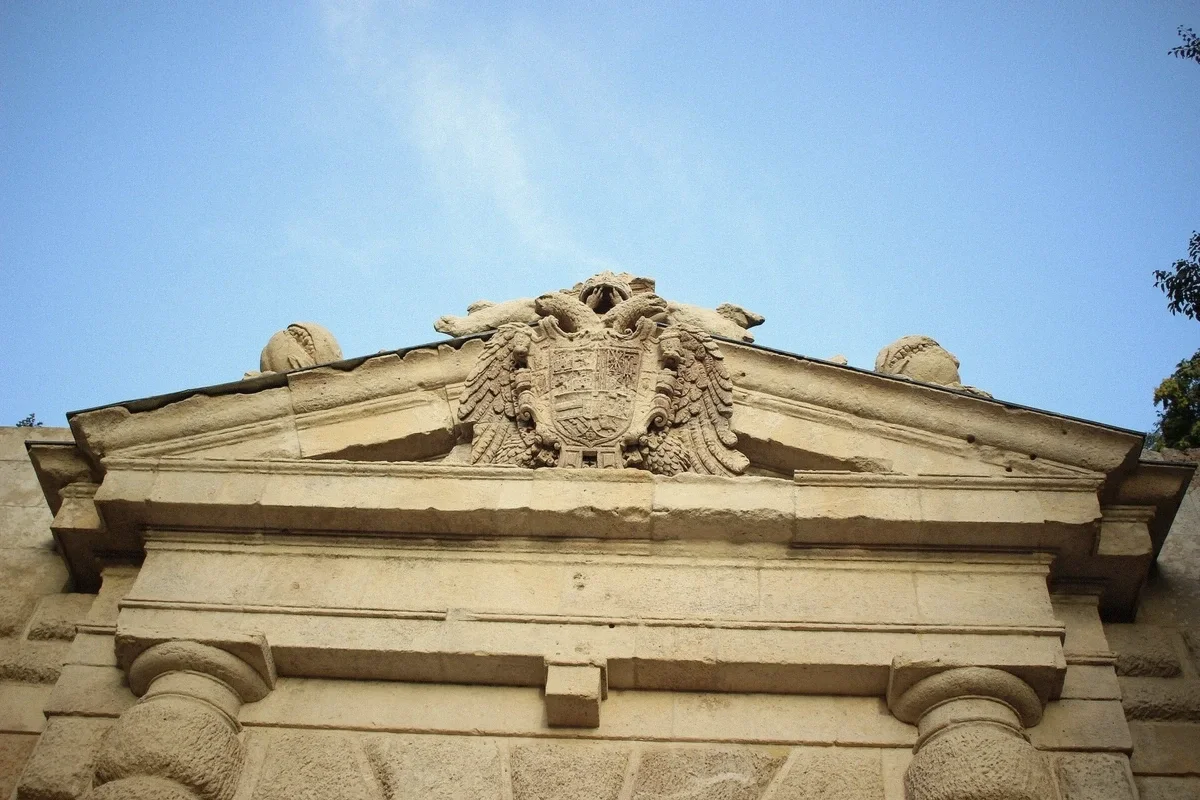
The Cuesta de Gomérez through the Puerta de las Granadas: the walking approach’s green halfway.
Quick answer The C30 bus beats walking for most people; the walk beats it for the view
Three practical routes up. The C30 minibus from Isabel la Católica square runs every 8-15 minutes, reaches the Access Pavilion in about ten minutes, and costs a standard city fare - it is the default for anyone with a Nasrid slot to keep. The C32 serves the Albaicín side and continues to the Generalife. Walking from Plaza Nueva takes 20-25 minutes up the Cuesta de Gomérez through the Puerta de las Granadas woods - beautiful, free, and 35 minutes with a queue or a toddler. Taxis and ride-hails drop at the pavilion roundabout. Driving is the one approach Granada makes genuinely hard: no cars reach the monument without a permit, and the car parks below fill by mid-morning in season.
Key takeaways
- Default: the C30 from Isabel la Católica - ten minutes, frequent, drops eight minutes below the ticket pavilion.
- The walk: Plaza Nueva → Cuesta de Gomérez → Puerta de las Granadas → pavilion, 20-25 minutes and all uphill.
- Leave 45 minutes of margin before any booked tour: the hill forgives early arrivals and punishes late ones.
The Minibuses: C30 and C32
Granada's red minibuses were built for these narrow hill streets, and the two Alhambra lines carry most of the monument's visitors who are not walking for pleasure.
| Line | Route | Frequency | Alight for |
|---|---|---|---|
| C30 | Isabel la Católica (centre) → Puerta Real → Alhambra Access Pavilion | Every 8-15 minutes | The main entrance, ticket offices, most tour meeting points |
| C32 | Albaicín/Alhacena loop → Alhambra → Generalife | Every 12-20 minutes | The Generalife gardens, or the monument from the Albaicín side |
| City fare | Pay onboard (contactless accepted) or with a rechargeable card | - | Same fare across both lines; children ride under adult rules |
Reading the C30 like a local
Board at Isabel la Católica rather than flagging it mid-route - the centre stop is where seats are, and the bus fills as it climbs. In April-May and September-October, the 09:30-11:00 buses run full; a half-hour of margin converts a squeeze into a seat. The ride back down is part of the experience: hold the left-side windows on the descent for the Alhambra walls above the Albaicín rooftops.
The Generalife shortcut
The C32's Generalife stop lets garden-first visitors enter through the upper gate and walk down through the monument - a one-way route that puts the climb behind you and the palaces at the end. Check it matches your ticket type and slot before committing.
On Foot: the Cuesta de Gomérez Walk
The walking approach from Plaza Nueva is Granada's classic short hike - and the reason "20-25 minutes" appears in every guide with a silent asterisk.
The route, stage by stage
From Plaza Nueva, find Calle Cuesta de Gomérez beside the church of Santa Ana and climb past the struggling tea shops to the Puerta de las Granadas - the Renaissance gate under the woods. The path turns to gravel and switchbacks gently through elms and nightingales (genuinely: the birds are loud in spring), past the remains of the Molino towers, and arrives at the Access Pavilion in 20-25 honest minutes from the square. Add five for photos, ten for a stroller, fifteen for August after noon.
Who should walk it
Anyone with a morning slot and energy to spend, birdwatchers in spring, and every visitor who wants to understand the hill the Alhambra commands - the Darro gorge opens below the path, and the walls grow above you the whole way. Who should not: anyone with a hard slot and less than forty minutes of margin, or anyone visiting in the July furnace, when the woods lose their charm by 11:00.
Taxis, Ride-Hails, and the Parking Reality
Taxis from the centre cost single-figure euros and drop at the pavilion roundabout in ten minutes; ride-hail apps operate in Granada with the same destination. Neither can drive you to the gates - the last stretch is pedestrian for everyone, which keeps the hill quiet and the drop-off honest. Driving your own car is where Granada stops negotiating: the monument sits inside a low-emission, permit-controlled zone, public parking at the Alhambra is limited and fills by mid-morning in season, and the underground car park below the pavilion serves early arrivals and patrons first.
The practical strategy for drivers: park in the city centre (San Gerónimo or Sevillano garages) and take the C30 up. Rental-car travellers staying overnight should choose accommodation outside the centre's access restrictions.
From the airport and the station
Granada's airport (GRX) sits 20 minutes west by taxi or the airport bus to the city centre - connect to the C30 from Isabel la Católica. The bus and train stations sit on the city's flat north side; either is a ten-minute taxi ride to the monument's pavilion, or a C30 connection from the centre. Day-trippers flying into Málaga should read the Málaga route guide.
Which Approach for Which Traveller
| Traveller | Best approach | Why |
|---|---|---|
| First-time visitor with a tour booking | C30 to the pavilion | Meeting points cluster at the Access Pavilion; the bus drops eight minutes below it |
| Photographer with a morning slot | Walk from Plaza Nueva | The dawn light on the walls from the Cuesta de Gomérez is the free warm-up act |
| Family with a stroller | Taxi to the pavilion roundabout | The gravel switchbacks above the Puerta de las Granadas are carry territory, not push territory |
| Visitor staying in the Albaicín | C32 or the Chinos walk | The Albaicín side connects to the monument on foot in fifteen minutes, downhill on the return |
| Anyone in July-August | C30, earliest slot, done by 12:00 | The hill holds heat like an amphitheatre; every minute of climbing counts |
The one rule every approach shares
Whatever the route, the passport check at the pavilion runs on the slot's clock, not yours. The C30 in a queue, the walk in August, the taxi in a fiesta procession - all arrive at the same gate, and the gate opens for the half hour printed on the ticket. Margin is the cheapest insurance on the hill.
Bus Tactics: The Details That Save Twenty Minutes
The C30 is simple and still rewardable of tactics. Board at Isabel la Católica, not the mid-route stops - the origin stop is where seats exist, and standing on a full minibus up a hairpin is a different journey. Buy the return in advance or carry contactless - the driver sells but the queue lengthens behind every fumble.
Ride the first bus of your margin window, not the last: the 09:40 that exists on the timetable and the 09:40 that arrives are different buses in April. Coming down, the trick inverts - most visitors exit afternoon-slots at the pavilion simultaneously, so walking the first stretch down the Cuesta and catching the bus at Plaza Nueva is faster than the queue at the top. And the C32 footnote for Albaicín-stayers: its loop is wide; a taxi from the Albaicín to the pavilion often beats it and costs single figures.
The Walk Through the Year
The Cuesta de Gomérez walk is four different experiences across the seasons, and choosing it is a seasonal decision. Spring: the walk at its mythical best - nightingales in the elms, the Darro loud below, wisteria on the ruins - and busy enough that the gravel widens into a procession. Summer: a shade game - before 09:00 the woods hold the night’s cool and the walk is lovely; after 11:00 it is a kiln with views.
Autumn: chestnut leaves on the switchbacks, the walls glowing at 17:00, the year’s most photogenic descent. Winter: frost on the gravel at dawn, the gatehouse arches dripping, and the city’s chimney smoke below - bring the grip soles. Through all four seasons the walk’s one constant: it ends at the pavilion with the visit’s first gate check, which is why the slot rules and this path are always read together.
For Drivers: The Full Parking and Access Reality
Driving visitors deserve the whole picture, because Granada distributes it in fragments. The monument sits inside a low-emission and access-restricted zone; hotel guests inside the centre can often register their plate for drop-off, but the Alhambra itself offers no public road arrival. The official underground car park below the pavilion exists, is paid, and fills early on spring and autumn mornings - by 10:00 in May, plan on it being full.
The alternative that always works: the city-centre garages (San Gerónimo near the bus station, Sevillano off Gran Vía) at €15-20 a day, connecting to the C30 in ten minutes. Rental-car travellers should never drive to the monument with luggage aboard - the luggage rules bar large bags at the gate anyway, and a visible suitcase in a car park is the province of the other kind of tourist. The one-sentence strategy: park downtown once, ride the C30 twice, walk the last eight minutes contentedly.
The Way Down: Exiting the Monument Well
The approach gets all the advice and the exit gets none, yet the descent has its own craft. Post-visit, the pavilion area is at its queuest - every tour bus loads at once - so the first tactic is timing: leave ten minutes before your cohort, or twenty after. The walk down to Plaza Nueva takes fifteen easy minutes and passes the New Gate’s carvings; it is the pleasantest free descent in Granada and it lands you in the tapas streets.
The C30 descends full at peak changeover - board one stop along the route rather than at the terminus and seats appear. Taxis ignore the pavilion queue at changeover hours; order one at the roundabout by app or walk down toward the Santa Paula. And the Albaicín-side exit via the Cuesta de los Chinos is the scenic route down - cobbles, the Darro roaring beside you - best in daylight and dry weather, per the surface notes.
The Approach in One Paragraph
If the whole page must compress to one instruction: take the C30 from Isabel la Católica half an hour before your palace window, with every passport in one reachable pocket and the smallest bag in the party; walk down afterwards through the woods to Plaza Nueva and call the logistics done. Every alternative - the walk up, the C32 from the Albaicín, taxis, the parking workarounds - exists for travellers whose situation differs, and the rest of this page exists to serve those cases. The hill forgives almost every approach; it only refuses to hurry.
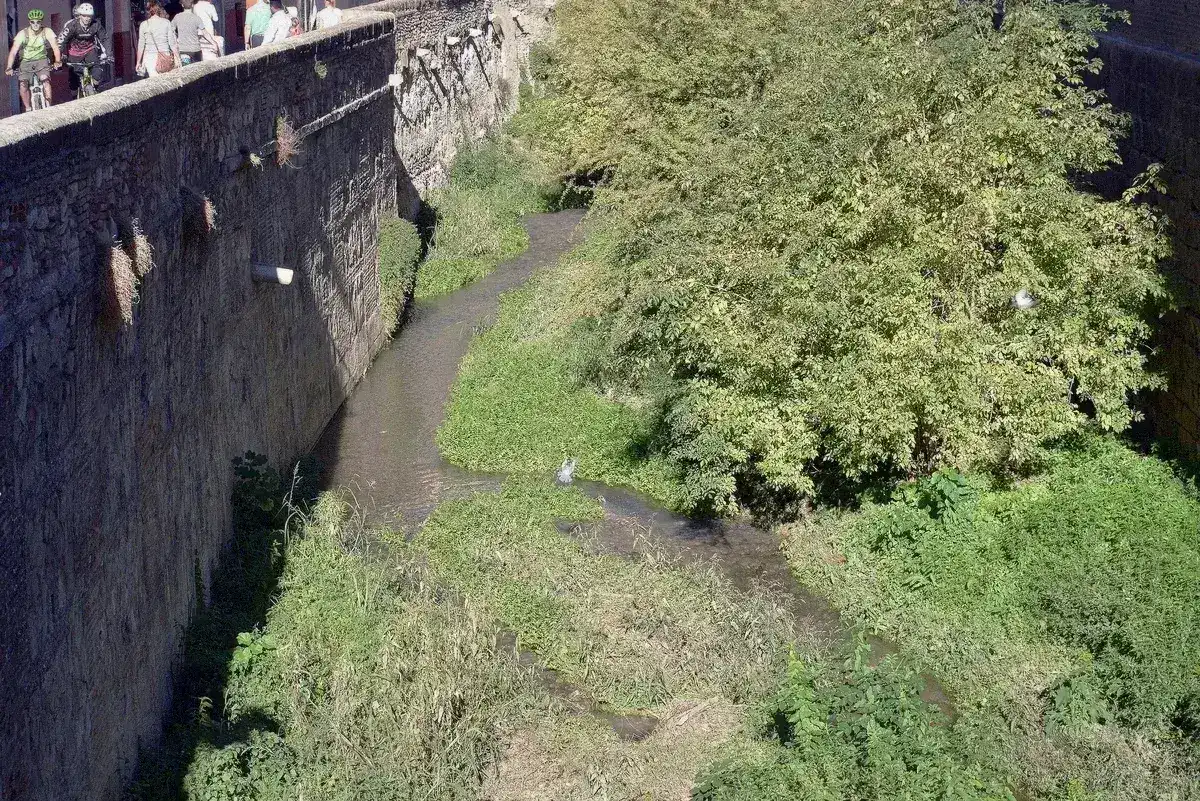
The walls from the Darro: what the Albaicín-side approach trades climbing for.
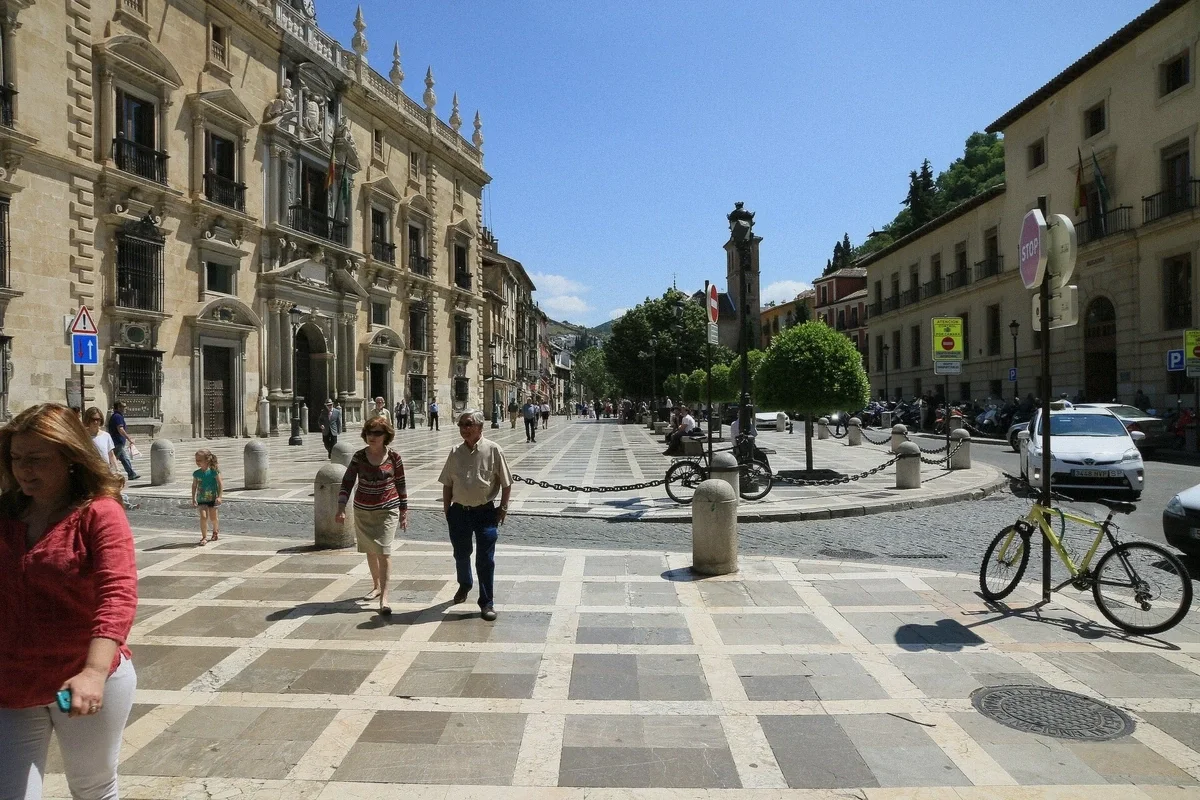
Plaza Nueva: the walking route’s start and the C30’s short walk from the centre.
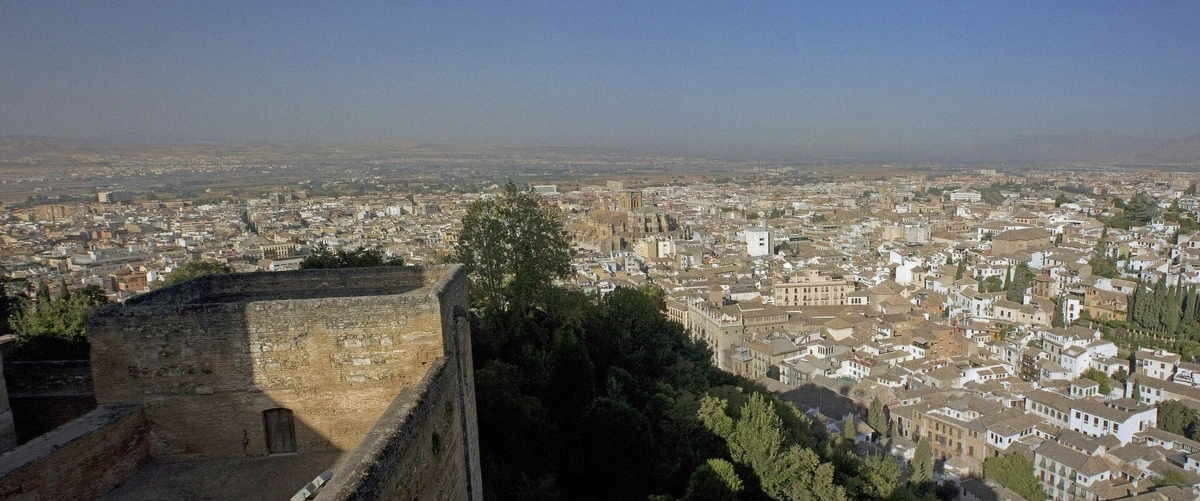
The Torre de la Vela above: the landmark that tells walkers the climb is nearly over.
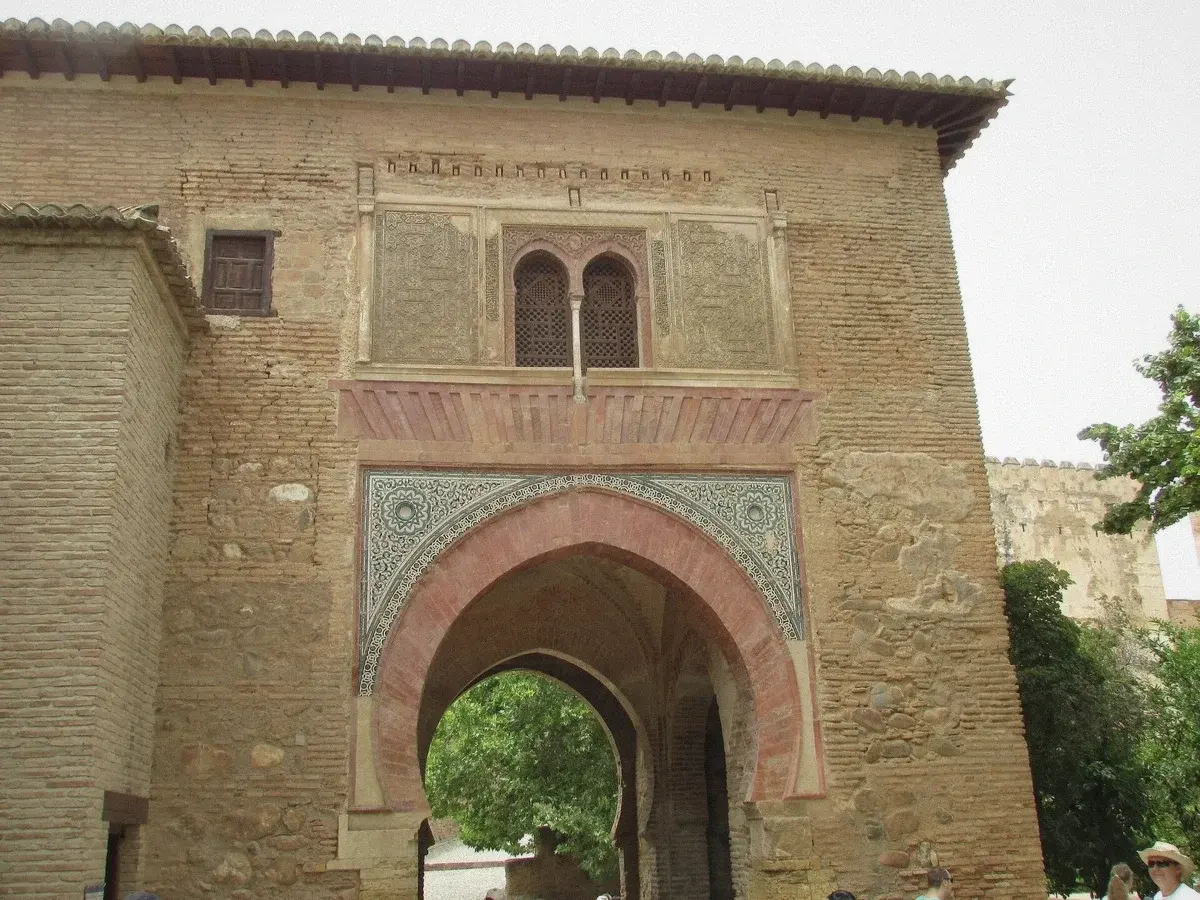
The Puerta del Vino: the crossroads at the top where the bus stop, the gates and the meeting points meet.
Getting-There Questions
Is it hard to walk to the Alhambra?
It is a steady 20-25 minute uphill walk from Plaza Nueva - roughly 60 metres of climb on cobbles and gravel, shaded for most of the way. Moderate for a healthy adult, demanding in August after noon, and impractical for anyone who struggles with stairs. The C30 minibus exists precisely because the hill is a hill.
Where do you fly to for the Alhambra?
Granada's own airport (GRX) is twenty minutes from the city; Federico García Lorca Granada-Jaén, to give it its full name, has limited routes. Most international visitors fly to Málaga (AGP, 90 minutes by road) or Seville, then connect - the Málaga route guide covers that journey in detail.
Can you drive to the Alhambra?
Not to the gates: the monument sits in a permit-controlled zone, and public parking below the hill is limited and fills early in season. The standard pattern is a centre car park plus the C30 minibus, or a taxi drop at the pavilion roundabout.
How do I get to the Alhambra from the city centre?
Three ways: the C30 minibus from Isabel la Católica (about ten minutes), the Cuesta de Gomérez walk from Plaza Nueva (20-25 minutes uphill), or a taxi. All three end at the Access Pavilion, where ticket checks and most tour meetings happen.
Which bus goes to the Alhambra?
Two: the C30 from the centre to the main entrance, and the C32, which loops through the Albaicín, stops at the Alhambra and continues to the Generalife. Both run standard city fares, contactless accepted.
The Gates: Where Each Approach Lands
The hill has several doors and they are not interchangeable. The Access Pavilion, below the monument on the city side, is where tickets, security and most tour meetings live - the C30’s terminus and the default answer. The Puerta de la Justicia, the monumental 14th-century gate up the woods walk, admits walkers straight into the walled enclosure.
The Puerta de las Granadas at the bottom of the Cuesta is the walk’s formal start. The Generalife gate, served by the C32, opens the gardens at the top - the one entrance that lets you walk the complex downhill. And the Cuesta de los Chinos climbs from the Paseo del Padre Manjón beside the Darro for walkers coming from the Albaicín.
Knowing which door your ticket or meeting uses is worth ten minutes of approach; every listing page in our comparison names its own.
Accessibility: Which Route Serves Which Need
The approaches are not equal for limited mobility, and the differences matter more than the guidebooks admit. The C30 is the only climb-free route: step-free minibuses, a drop-off eight minutes below the pavilion, and the gentlest paved approach to the ticket checks. Taxis shorten it further, delivering to the pavilion roundabout.
The woods walk - gravel switchbacks through the Puerta de las Granadas - is not wheelchair-suitable and is demanding for anyone managing stairs. From the Albaicín side, the Cuesta de los Chinos is the hill’s roughest surface. Inside, the Patronato’s adapted route covers significant ground by a designated itinerary, and private operators can - if asked at booking - sequence visits around it.
The honest summary: arrive by C30 or taxi, and treat the hill as solved.
Doing the Alhambra With Luggage
The day-tripper’s classic problem: a checked-out hotel, an evening train, and the Alhambra between. The rules first: large bags and suitcases are barred from the monument outright, and the pavilion-area storage is small, seasonal and queues. The working solutions, in order of quality: left-luggage services in the city centre (several operate near Granada’s cathedral and stations, at single-figure euros per bag per day), then the train or bus station’s own left-luggage for rail travellers, and last - for cabin-sized bags only - the pavilion storage if it is running.
The pattern that works: downtown storage in the morning, C30 up with a daypack, luggage collected on the descent. The Málaga day-trip guide builds this into its timeline.
Timing from Each Neighbourhood
Leave-times differ more by neighbourhood than travellers expect, so here is the honest arithmetic for a 10:00 arrival at the pavilion. From the centre (Plaza Nueva, Cathedral): C30 at 09:35 or leave on foot at 09:30. From the Realejo: ten minutes on foot to the pavilion’s back side, or a taxi of three.
From the Albaicín: the Chinos walk is fifteen minutes downhill-then-up, or the C32 loops wide - leave 09:20 either way. From Sacromonte: taxi, always, in season. From the station or airport side: taxi or the C30 connection through the centre, budgeting forty minutes.
Every one of these assumes the passport-in-pocket readiness the gate check requires; none of them forgives the traveller who budgeted the guidebook’s fifteen minutes.
Season Adjustments to the Routes
The same route changes personality across the year, and the approach deserves seasonal thinking. In July-August, the walk route dies after 10:00 - the woods lose their shade advantage and the climb becomes a sweat - while the C30’s air-con makes it the only sane ascent; dawn walkers keep the beauty and beat the heat. In winter, the walk route is glorious at late morning - frost melting off the elms, the hill quiet - and the C30 runs thin enough that a taxi competes on price for small groups.
In rain, all routes slick: the cobbles of the Chinos and the gravel of the woods demand grip, and the C30’s pavilion drop shortens the exposure to minutes. Spring and autumn, everything works - which is why those seasons’ queues, not their weather, are the constraint.