 Alhambra Private Tours
The Best Time to Visit the Alhambra: Hours, Days and Seasons
The best time to visit the Alhambra depends on three clocks at once, and the visits that go wrong ignored one of them. Timing at the Alhambra works on three clocks at once - the hour of your Nasrid Palaces slot, the day of your week, and the season of your year - and the visits that go wrong almost always ignored one of them. This page lines the three clocks up: what each hour inside the complex feels like, which days and weeks carry the crowds, and how light and heat shape the same stone walls differently across the year. When you know your window, the every listing in the comparison are the machinery that books it. The full listing table sits in the main comparison. The full listing table sits in the main comparison.
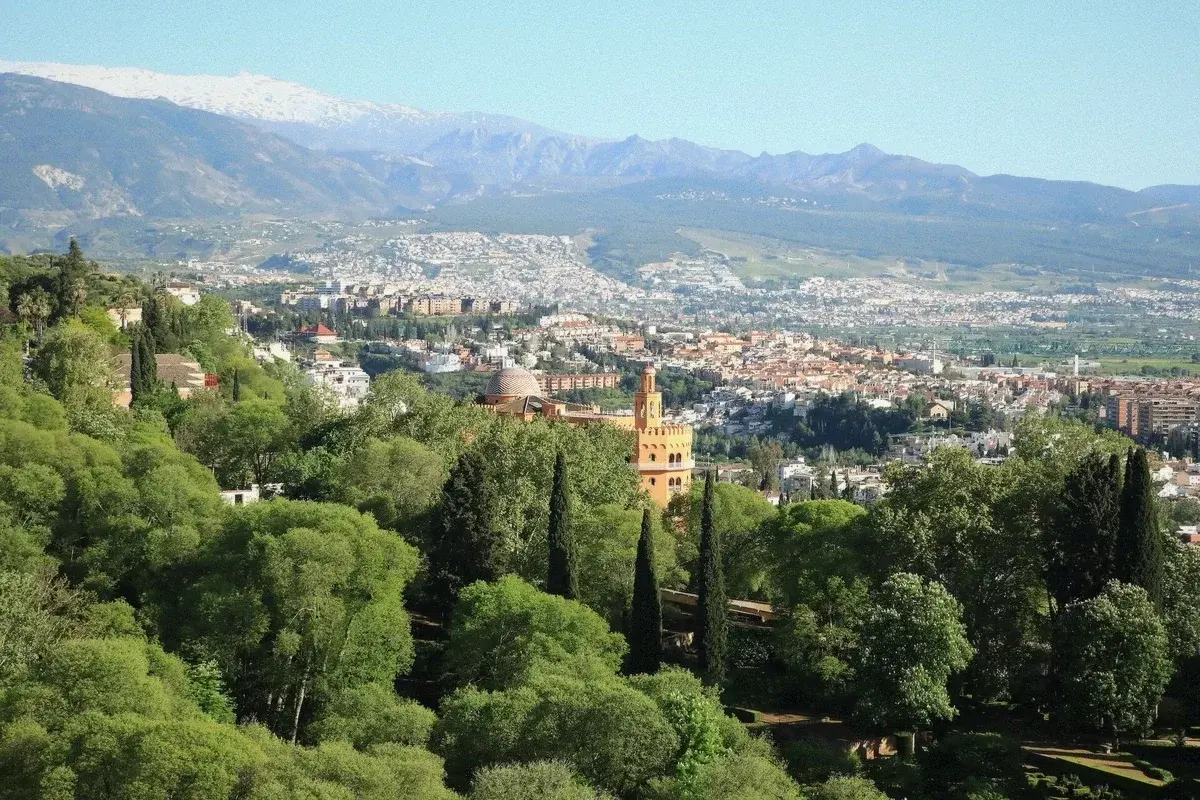
The long view from the walls: what time of day you visit decides how far - and how clearly - you see it.
Quick answer The short answer: late-morning slots in April-May or October - and why
The single best time is a late-morning slot (11:00-13:00) in late April, May or October: past the morning tour-wave, before the summer furnace, inside the season's best light. Morning slots (08:30-10:30) suit heat-averse and energy-rich visitors and carry the tour groups; afternoon slots after 15:00 suit photographers and slow travellers as the light turns golden. Day-wise, weekdays beat weekends in every month, and the pressure season runs April-June and September-October - book those two to three months ahead because the Nasrid Palaces slot is what sells out, not the tours.
Key takeaways
- The sweet spot: late-morning slots, April-May or October - crowds manageable, light generous, heat polite.
- Summer rule: earliest slot available - the monument's shade is architectural, and the Alcazaba holds heat like an oven.
- Week over weekend: Tuesday-Thursday visits breathe; Saturdays in May are the heaviest walk in Spanish tourism.
The Hour-by-Hour Clock Inside the Complex
Daily entry is capped, but the cap sells unevenly - the palace slots pace the whole hill, and the crowd follows the windows.
08:30-11:00 - the first-slot crush
The first palace windows coincide with every tour operator's anchor product: the rooms carry their fullest flow, the pavilion queues are longest, and the Alcazaba - which most morning groups leave for later - stays briefly calm. What the early hours buy: cool air in July, empty garden paths before the Generalife wakes, and the day still unspent afterwards.
11:00-15:00 - the coach plateau
Midday holds a steady middle register: Costa del Sol day-trippers arrive mid-route, palace windows change hands every half hour, and the gardens thin while the palace interiors stay busy. In July and August this is the furnace band - the courtyards are open basins of sun - while in November it is the mildest air of the day.
15:00-close - the second wind
The afternoon slots free up as day-trippers leave for the coast: the palace windows breathe, the Comares tower takes the golden light, and the Generalife gets its quietest two hours. Autumn afternoons are the connoisseur's visit; summer afternoons are for shaded courtyards and slow water gardens, not for ramparts.
Days of the Week, and the Calendar Traps
The Alhambra opens every day of the year except 25 December and 1 January, and the weekly rhythm is as real as the seasonal one.
| Day | Crowd pressure | Notes |
|---|---|---|
| Monday | Moderate | City museums close; some visitors shuffle to the monument - quieter than midweek only on paper |
| Tuesday-Thursday | Lowest of the week | The local wisdom: book these days first when the season allows |
| Friday | Rising | Weekend trips begin; Andalusian school groups appear in term time |
| Saturday | Peak of the week | Heaviest queues, thinnest late-week returns; book months out in season |
| Sunday | High, easing after 15:00 | Spanish weekenders leave mid-afternoon; late slots breathe |
Calendar traps beyond the weekday
Semana Santa (Easter week) fills Granada entirely - processions close streets below the hill and the monument runs at festival pressure. The Feria de Granada (late spring, roughly seven weeks after Easter) moves the crowds to the fairground but fills every hotel bed. And Christmas-week daylight is short enough that the 08:30 slot can mean frost on the Generalife hedges - magical, and cold.
The Season-by-Season Breakdown
Granada sits at 700-800 metres with the Sierra Nevada at its back - the seasons are real, and each changes the visit.
March-May - the flowering pressure season
The Generalife is at its best of the year and everyone knows it: palace slots for late April open months ahead and vanish. Mornings are cool, afternoons warm, rain possible and brief. Book two to three months out; treat May weekends as the single busiest walk in Spanish tourism.
June-August - heat is the product problem
Slot demand eases slightly (the coast pulls), but the heat sets the rules: first-slots-only for anyone sensible, water in every bag, the Alcazaba and its towers before ten. The reward is the late-evening city below the hill and the night visit season on the gardens route.
September-October - the second spring
The locals' favourite: September retains summer warmth without its furnace, October cools into gold. Slot pressure matches spring's, so the same two-to-three-month booking rule holds. The light at 16:00-18:00 is the year's best on the Comares tower.
November-February - the quiet monument
Walk-up tickets become realistic, rooms empty out, and the low sun does flattering things to the stonework all day. The trades: short days (18:00 close), cold dawns, and the occasional week of Andalusian rain that makes the courtyards gleam and the gardens glow.
Light by Zone: When Each Space Is Best
The Alhambra is a light-driven monument - plasterwork and water that photograph differently by the hour.
- Generalife: east light down the Acequia courtyard in the first hours; west light through the water stairway after 16:00.
- Alcazaba: flat midday sun reads the vast stonework best; sunset from the Torre de la Vela is the classic (and busiest) frame.
- Nasrid Palaces: the Myrtles pool reflection early in any window; the Lions court thins in the last ten minutes of each half hour; the Comares facade glows after 15:00.
- Charles V circle: midday, when the circular courtyard's shadow geometry is sharpest.
The night exception
From November to early spring the palaces run a night route - a smaller, lit, hushed monument that photographers rate above every daylight hour. It is a separate ticket and a separate slot system; plan it as a second visit, not a substitute.
The Decision, Compressed
Every timing question at the Alhambra reduces to one trade: comfort against availability. The sweet spots - late-morning in the shoulder seasons - are known, which is why they sell first. The practical playbook: fix the season your party can actually handle (heat rules out July for many), fix the weekday before the weekend, then take the best palace window still standing two to three months out.
If the choice is between a perfect slot at the wrong hour and a decent slot at the right one, take the decent slot - the private listings we compare can sequence a visit around any window, but no one can move the window itself.
Working Backwards from the Slot: A Planning Method
Here is the method the timing-obsessed use, compressed. Choose the month for weather and crowds (the season breakdown does the heavy lifting); choose the weekday inside it (Tue-Thu first); then - and only then - shop for the slot, taking the best available window inside the 10:00-14:00 band and letting it set the day’s shape. A 10:30 window means a 09:20 C30, an Alcazaba-first visit, and lunch at 13:00; a 13:00 window means a slow morning in the Albaicín, the palaces at their midday hush, and the gardens in afternoon light.
The method’s power is that it removes disappointment from the process: whatever window the allocation offers becomes the plan, rather than the plan failing against the window. Travellers who cannot be flexible should book two to three months out; travellers who are flexible hold their dates loosely until the allocation speaks.
What the Crowd Data Actually Shows
Underneath the folklore, three data patterns hold steady. Monthly: visitor counts peak in April, May and October, with August running lower than its heat suggests - the coast pulls, and the monument’s summer pressure is mornings-only. Weekly: the Tuesday-Thursday trough is real and measurable, worth as much as a month’s difference in queue terms.
Hourly: the palace windows pace everything - the 08:30 and 14:00 slots carry the group-product weight, and the slots between are measurably quieter. What the data cannot show is the weather’s hand: one rainy Tuesday in May runs emptier than a golden Saturday in November, and the travellers who watch the forecast in the final week gain more than any calendar rule. Use the patterns to choose the week, the forecast to choose the day, and the slot timetable to choose the hour.
Timing for Short Stays: One Day, Half a Day, a Layover
Different stays deserve different timing strategies. The one-day Granada visitor: take the earliest palace window available, book it months ahead, and let the monument own the morning - the afternoon belongs to the Albaicín and the evening to the mirador, and the night visit is the first thing to sacrifice. The half-day visitor (rail travellers, cruise-and-coast trips like the Málaga route): book the 11:00-13:00 band, arrive with an hour of margin, and accept that the visit is the trip - everything else is a walk to the station.
The layover traveller flying through GRX: honest answer, the Alhambra needs four hours door to door at absolute minimum, and airport recovery delays make it a gamble - the Albaicín mirador from a taxi window is the layover’s honest dose of the Nasrid.
When Not to Go: The Honest Anti-Calendar
A timing page owes the traveller the reverse list. Do not go on a May or October Saturday if any alternative exists - the queues are the story people tell for years. Do not go in a July or August afternoon unless heat-fainting is the goal; the morning slots exist for a reason.
Do not go during Semana Santa processions expecting a normal visit - the city below is glorious and the hill above is full. Do not go on the 25th of December or the 1st of January, because the gates are shut. And do not go - this is the honest one - if the Alhambra is a checkbox: the monument rewards the traveller who wanted it, and punishes the one who was talked into it; the San Nicolás view is free, and for some travellers it is enough.
The Golden Weeks, Named
Travellers always want the answer compressed to weeks, so here it is with reasons attached. The best single week of the Alhambra year is usually the second half of October: the summer crowds gone, the light low and gold by 17:00, daytime in the low twenties, the gardens recovered from the heat, and the evening air sharp enough to feel the Sierra. Runners-up: the last week of April into early May (the gardens at full flower, though the crowds know it) and the second week of June (post-half-term dip, long evenings, the Music Festival opening).
The week to avoid hardest: Semana Santa, for crowds; the second week of August, for heat. And the sleeper week - mid-January, after Reyes: the monument at its emptiest, the Sierra snow-capped behind the walls, and tickets buyable the same day. Every week is visitable; these are simply the ones the calendar rewards.
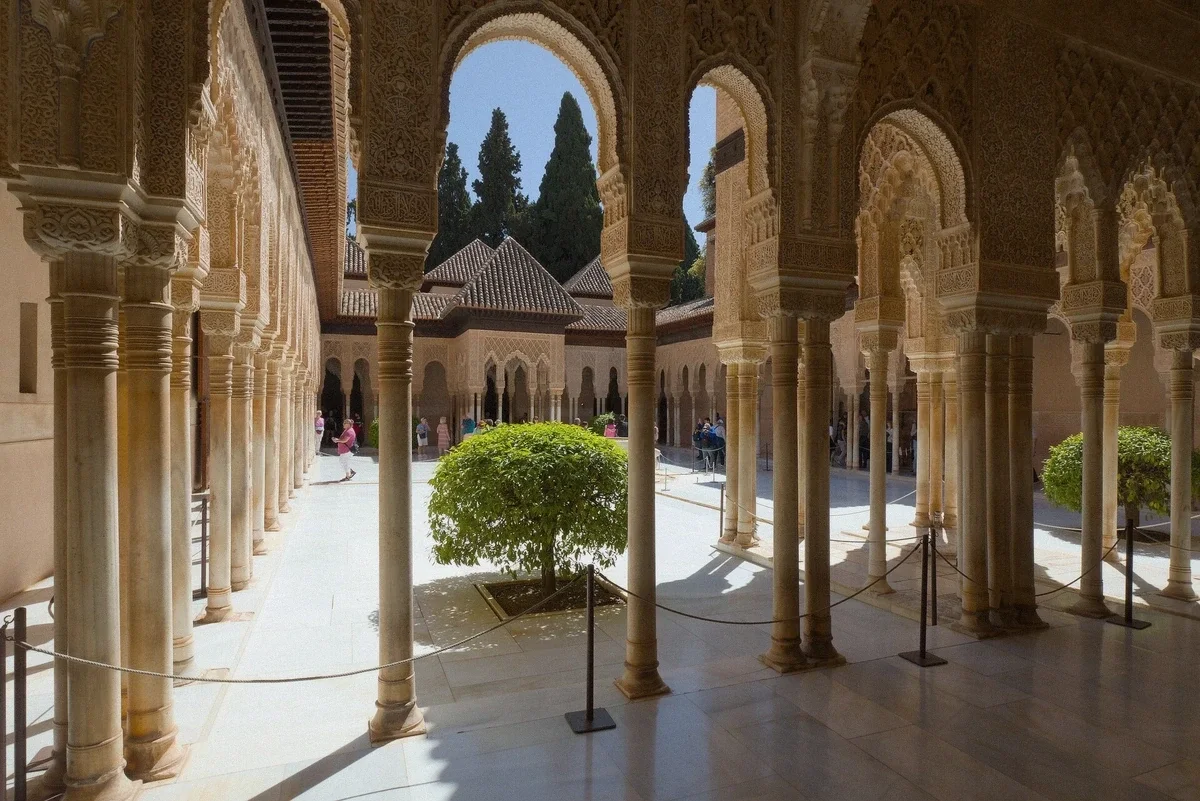
The Court of the Lions by whatever light your slot carries: the timing page’s whole argument in one courtyard.
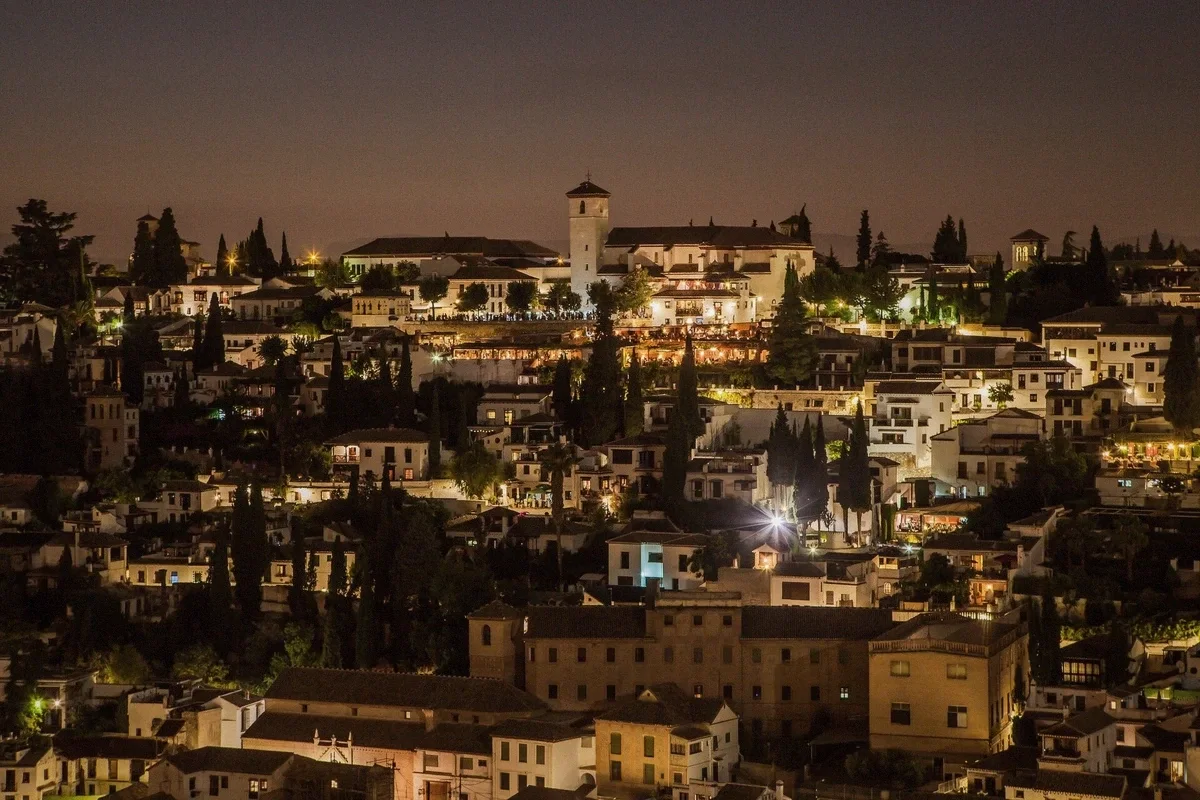
Evening on the walls: the late slots and the after-visit hour belong to this light.
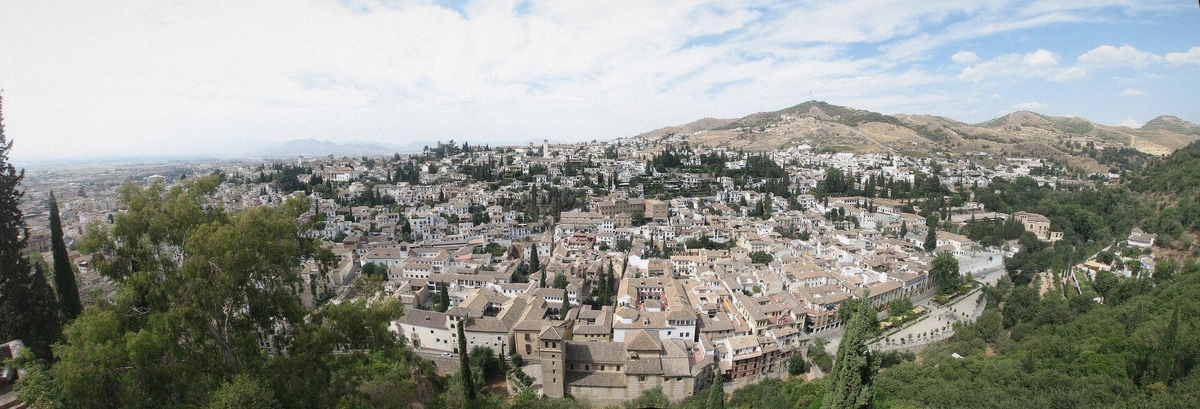
The Albaicín panorama: the evening’s reward for visitors who timed their slots for the late light.
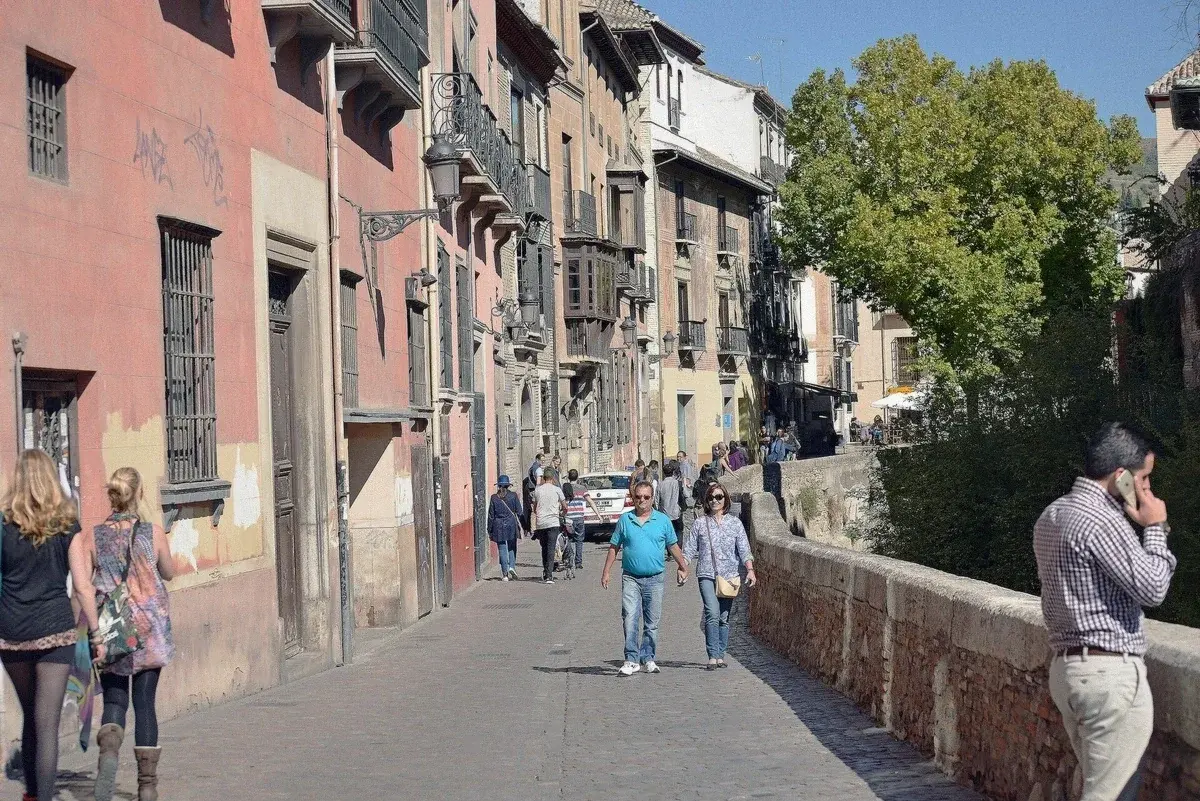
The Carrera del Darro below the walls: the walk that pairs with an afternoon slot and an easy descent.
Best-Time Questions
Is it better to visit the Alhambra in the morning or the afternoon?
Morning for cool air and energy-rich parties; afternoon for light and thinning crowds. The unpopular truth is the band between - 11:00 to 13:00 - which dodges both the morning tour-wave and the afternoon heat, making late-morning slots the best all-round book in every season but deep winter.
How much time do I need for the Alhambra?
Three hours is the honest minimum for the full monument at any pace worth having; two is possible for fortress-and-palaces sprints; four-plus rewards garden lovers in flower season. Guided products run 1.5 to 3.5 hours - the comparison table lays out the options.
What is the best day of the week to visit?
Tuesday through Thursday, in every month that offers you the choice. Saturdays carry the weekend wave; Mondays absorb the city-museum closures; Sundays ease only after mid-afternoon.
What do most tourists not know about the Alhambra?
That the ticket is an appointment: the printed palace time is a half-hour window with no re-entry, and everything else about the visit - approach times, breaks, route order - should be planned backwards from it. The slot guide is the page most first-timers wish they had read.
When does the Alhambra close?
The monument closes at 20:00 in high season (April to mid-October) and 18:00 in the low season, with the last palace slots at 18:00 and 16:00 respectively - and it closes entirely on 25 December and 1 January. The night route runs later, to about 23:30, on its own ticket.
The Week-by-Week Pressure Calendar
Beyond the season blocks, the pressure moves week to week in patterns worth knowing. Semana Santa - Easter week - is Granada’s absolute peak: processions fill the streets below the hill, hotels sell out months ahead, and the monument runs at festival pressure; avoid it unless the processions are the reason you are coming. The first three weeks of May carry the spring tour wave at its heaviest.
Late June dips briefly before July’s coast-season bulge; August thins in the last two weeks as European holidays wind down; September rebuilds steadily to an October peak that rivals May’s. November - except the All Saints long weekend - is the year’s quietest good-weather month, and the stretch from mid-January to mid-February is the monument’s true off-season: walk-up tickets, empty courtyards, frost on the hedges.
Weather Windows and the Micro-Climate
Granada’s hill runs a micro-climate the coast visitors never expect: 700-800 metres of altitude, the Sierra Nevada’s shadow, and summer afternoons that regularly pass 34°C while winter dawns sit near freezing. The practical weather windows: April-June mornings (cool starts, warm finishes), late September through October (the year’s most stable stretch), and November’s golden calm. The windows to respect rather than fear: July-August afternoons, which move the visit to the morning rather than cancel it; and the two or three rainy spells each spring and autumn, which pass in hours - the palace interiors being the best rain shelter in Andalusia.
The what-to-wear guide converts all of this into a bag.
The Light Calendar for Photographers
Photographers time the monument differently, and the light has its own calendar. The Comares facade and the Myrtles pool take west light best after 15:00, April through September. The Generalife’s Acequia courtyard is a morning subject - east light down the water channel - while its terraces face west and glow at the end of the day.
The Alcazaba’s ramparts want the flat midday sun that shows the vast stonework, with the Torre de la Vela sunset being the famous, crowded exception. Inside the palaces, the Lions court is best early or late in any window when the flow thins; the Muqarnas dome rewards whatever hour it gets. And the night route is its own season: the lit palaces in winter are Andalusia’s finest low-light subject.
Granada’s Calendar Around the Monument
The city’s festival calendar moves the crowds the monument’s does not. Corpus Christi - late May or June, sixty days after Easter - is Granada’s biggest festival: the fairground fills, the streets decorate, and the monument’s mornings stay busy while the city celebrates. The International Music and Dance Festival fills June evenings with venues inside the Generalife itself - a rare chance to hear music on the hill, and a reason its garden tickets vanish.
Christmas lights the city’s streets from December 1, and the winter night visit pairs with them naturally. None of these make booking harder so much as earlier - the calendar’s real lesson is that Granada’s beds and the monument’s slots sell on the same clock.
The Rainy-Day Strategy
Andalusian rain arrives in short, serious spells rather than drizzles, and the Alhambra handles it better than its open courtyards suggest. The strategy: keep the booked slot - rain rarely closes anything - and re-sequence the visit around shelter. The palace interiors are the visit’s driest hours by design; the Charles V palace’s covered circle is the natural rain harbor; the Generalife becomes dramatic rather than damp, the water channels running loud.
What rain actually ruins is the Alcazaba’s rampart views, and guides simply compress that quarter and spend the minutes where the ceilings are. Footwear is the real rainy-day question - polished ramps turn slick - which is why the kit list leads with soles.